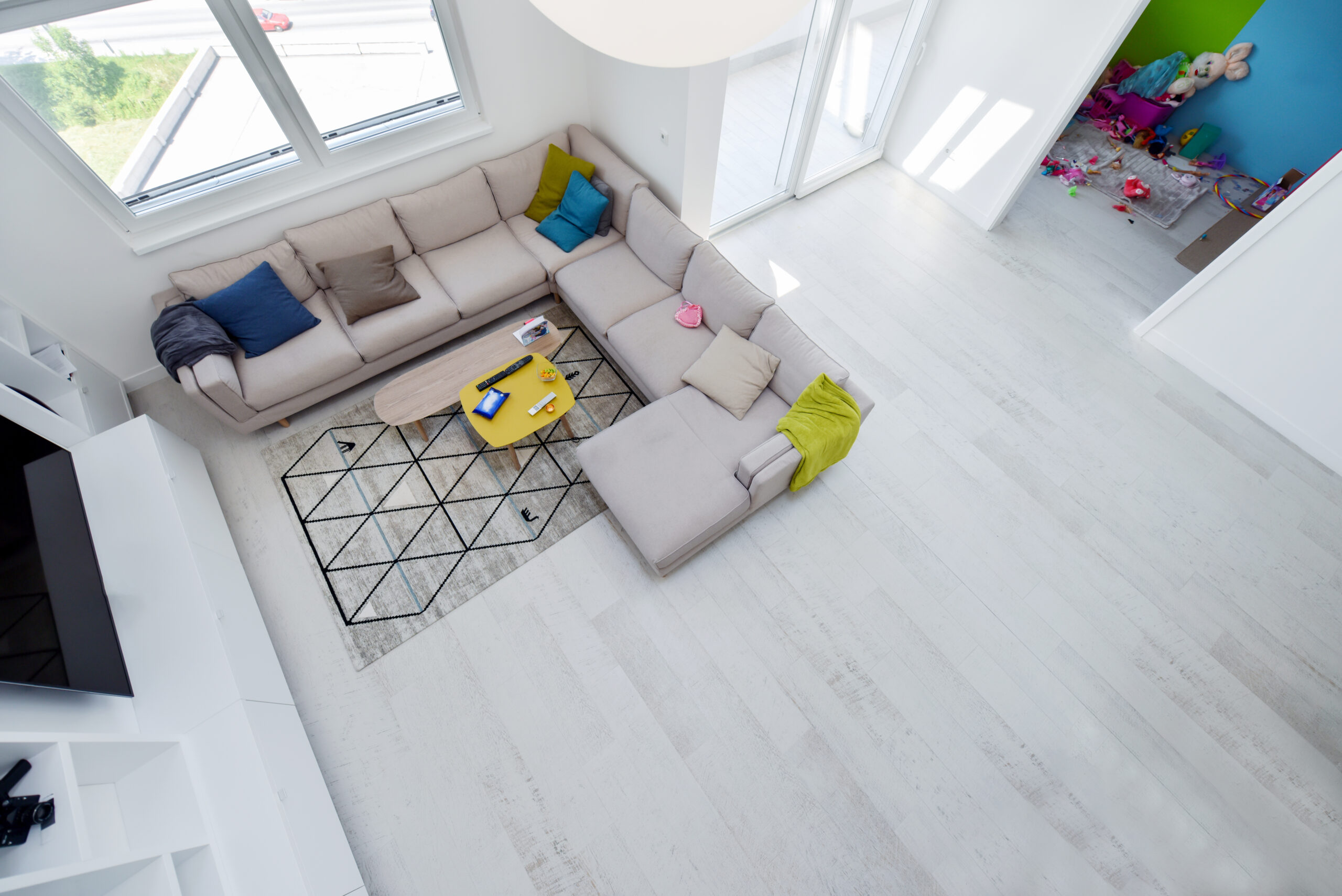

Finding the right balance between style and function is vital for any property investor. Today, savvy landlords choose modern prefab designs to capture the attention of high-quality tenants. These unique layouts provide a fresh look that standard buildings often lack.
A well-thought-out modular homes floor plans strategy allows you to maximize every square foot of your investment. It helps create an open, inviting atmosphere that makes a small space feel much larger. Beautiful aesthetics combined with practical use can significantly boost your monthly rental income.
As the demand for housing grows across the United States, efficiency becomes your greatest ally. Smart engineering ensures that these units are built quickly without sacrificing the cozy charm people love. By picking the right setup, you ensure your property stands out in a competitive market.
Choosing a versatile blueprint is the first step toward long-term financial success and tenant satisfaction. It provides a solid foundation for growth while keeping your maintenance costs manageable over time.
The Growing Appeal of Modular Rentals
As the demand for stylish and hassle-free living spaces grows, modular homes floor plans are becoming increasingly attractive to tenants. This shift is driven by the unique benefits that modular rentals offer, making them an appealing choice for both landlords and tenants.
The modern appeal of modular homes is undeniable. With their sleek and contemporary designs, modular rentals are not just functional living spaces but also stylish abodes that cater to the tastes of modern tenants.
Why Tenants Prefer Modern Modular Designs
Tenants are drawn to modular homes for several reasons. Some of the key factors include:
- Modern aesthetics: Modular homes boast sleek, contemporary designs that appeal to tenants looking for a stylish living space.
- Customization options: Modular homes can be tailored to meet the specific needs and preferences of tenants, offering a level of personalization that traditional rentals may not.
- Efficient use of space: Modular homes are designed to maximize space, providing tenants with functional and comfortable living areas.
The Efficiency of Factory-Built Construction
One of the significant advantages of modular homes is the efficiency of their construction process. Built in a factory, modular homes are constructed under controlled conditions, which:
- Reduces construction time, allowing landlords to rent out properties sooner.
- Minimizes waste and environmental impact, making modular construction a more sustainable option.
- Ensures high-quality construction, as factory-built homes are subject to rigorous quality control measures.
The efficiency and modernity of modular homes make them an attractive option for tenants looking for a hassle-free and stylish living space. By incorporating modular homes floor plans into their rental properties, landlords can cater to the growing demand for modern, efficient, and sustainable living solutions.
Strategic Advantages of Modular Homes Floor Plans
By leveraging modular homes floor plans, landlords can significantly enhance the attractiveness and profitability of their rental properties. Modular homes are designed with efficiency in mind, allowing for the maximization of space that appeals to a wide range of tenants.
One of the key benefits of modular homes is their ability to optimize square footage. This is achieved through careful planning and design, ensuring that every area of the home is utilized effectively.
Maximizing Square Footage for Higher Rental Yields
Maximizing square footage is crucial for increasing rental yields. Modular homes floor plans are designed to make the most out of the available space, incorporating features such as:
- Multi-functional rooms that serve more than one purpose
- Efficient storage solutions to reduce clutter
- Open layouts that create a sense of spaciousness
These features not only enhance the livability of the space but also contribute to higher rental income potential.
| Feature | Traditional Homes | Modular Homes |
|---|---|---|
| Space Efficiency | Limited by on-site construction constraints | Optimized for maximum space usage |
| Design Flexibility | Often restricted by building codes and site conditions | Highly customizable to meet tenant needs |
| Rental Yield Potential | Dependent on local market conditions | Enhanced by efficient design and modern appeal |
Open Concept Layouts and Their Marketability
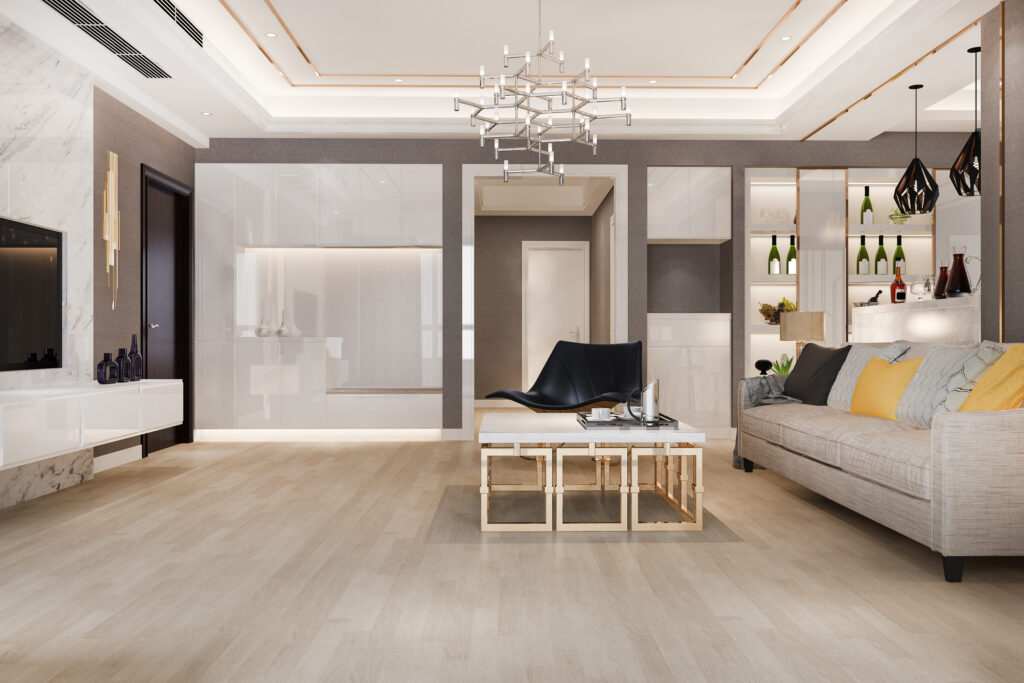
Open concept layouts have become increasingly popular in modern homes, including modular ones. These layouts offer a sense of openness and flow, making the living space feel larger and more welcoming.
The marketability of open concept layouts lies in their versatility and aesthetic appeal. Tenants can easily envision themselves living in such spaces, and the lack of compartmentalization allows for a variety of furniture arrangements.
Key benefits of open concept layouts include:
- Increased natural light penetration
- Improved social interaction among occupants
- A more modern and contemporary feel
By incorporating open concept layouts into modular homes floor plans, landlords can attract a wider pool of potential tenants and command higher rents.
Enhancing Aesthetic Appeal Through Smart Design
Smart design choices can significantly elevate the aesthetic appeal of modular homes, making them more attractive to potential tenants. By incorporating elements that enhance both form and function, landlords can create rental properties that stand out in a competitive market.
The right design can make a modular home feel welcoming and luxurious, which is crucial for attracting and retaining quality tenants. This involves selecting finishes and layouts that not only look modern and stylish but also contribute to a comfortable living environment.
Choosing Modern Finishes That Attract Quality Tenants
Modern finishes play a critical role in the aesthetic appeal of modular homes. High-quality materials and contemporary designs can significantly enhance the look and feel of a rental property. Tenants are often willing to pay a premium for properties that feature modern amenities and stylish interiors.
- Hardwood or engineered wood flooring
- Granite or quartz countertops
- Stainless steel appliances
- Modern lighting fixtures
These elements not only improve the aesthetic but also contribute to the durability and functionality of the space. By choosing the right finishes, landlords can create an environment that is both appealing and practical.
The Role of Natural Light and Flow in Rental Spaces
Natural light and flow are essential components of a welcoming rental space. Large windows and open layouts can make a significant difference in how spacious and inviting a home feels. By maximizing natural light, landlords can create a brighter, more cheerful environment that tenants will love.
Moreover, an open layout can enhance the sense of flow within a home, making it feel more spacious and connected. This is particularly appealing to tenants who value a sense of freedom and flexibility in their living space.
| Design Element | Benefit |
|---|---|
| Large Windows | Increases natural light, making spaces feel larger |
| Open Layouts | Enhances flow, creating a sense of spaciousness |
Customization Options for Diverse Tenant Needs
One of the key advantages of modular homes is their ability to be customized to suit various tenant needs. This flexibility is particularly valuable in a rental market where tenant preferences can vary widely.
Landlords can significantly enhance the appeal of their modular homes by tailoring the design and layout to meet the specific needs of different demographics. For instance, families require more spacious living areas and additional bedrooms, while young professionals often prioritize modern amenities and efficient use of space.
Designing for Families Versus Young Professionals
When designing modular homes for families, it’s essential to focus on creating a comfortable and functional living environment. This can include:
- Spacious living areas that can accommodate family activities
- Additional bedrooms to cater to families with children
- Practical storage solutions to keep the home organized
On the other hand, young professionals often look for modern, sleek designs that offer convenience and efficiency. Key features might include:
- Open-concept living areas that promote a sense of space
- State-of-the-art appliances and smart home technology
- Compact, efficient layouts that minimize waste space
| Feature | Families | Young Professionals |
|---|---|---|
| Living Space | Spacious, with separate areas for different activities | Open-concept, modern, and sleek |
| Bedrooms | Multiple bedrooms to accommodate children | Often fewer bedrooms, with a focus on a comfortable single or couple’s space |
| Technology and Appliances | Practical, family-friendly appliances | State-of-the-art, smart home technology |
Incorporating Flexible Spaces for Remote Work
With the rise of remote work, incorporating flexible spaces within modular homes has become increasingly important. This can include:
- Dedicated home office spaces with good lighting and storage
- Multi-functional areas that can serve as both living and work spaces
- High-speed internet connectivity and smart home features to support productivity
By incorporating such flexible spaces, landlords can attract a wider range of tenants, including remote workers who value the convenience and productivity of a well-designed home office.
Modular homes floor plans that are customizable and adaptable to different needs can significantly enhance the rental appeal, making them more attractive to a diverse tenant base.
Durability and Maintenance Benefits for Landlords
Landlords can reap substantial rewards by choosing modular homes, which offer superior durability and streamlined maintenance compared to traditional construction methods. Modular homes floor plans are designed to provide a robust and long-lasting structure that withstands the wear and tear associated with rental properties.
High-Quality Materials That Withstand Rental Wear
Modular homes are constructed using high-quality materials that are designed to last. These materials are often more durable than those used in traditional site-built homes. Some of the benefits include:
- Resistance to pests and decay
- Enhanced energy efficiency
- Low maintenance requirements
The use of such materials not only reduces the need for frequent repairs but also contributes to the overall sustainability of the property.
Streamlined Repairs and Long-Term Asset Value
One of the significant advantages of modular homes is the ease of maintenance and repair. Since these homes are built in a factory, the construction quality is tightly controlled, resulting in fewer defects and issues over time. This leads to:
- Reduced maintenance costs
- Faster repair times
- Higher long-term asset value
By investing in modular homes floor plans, landlords can enjoy a higher return on investment due to the durability and low maintenance requirements of these properties.
Optimizing Outdoor Integration and Curb Appeal
Creating a harmonious transition between indoor and outdoor spaces is key to enhancing the appeal of modular rentals. This integration not only improves the aesthetic value of the property but also increases its functionality and attractiveness to potential tenants.
Connecting Indoor Living to Exterior Spaces
One effective way to connect indoor living areas to exterior spaces is by using large sliding glass doors or expansive windows that allow natural light to flood the interior. This design approach not only makes the indoor space feel larger but also creates a visual connection to the outdoors, enhancing the overall living experience.
Key design elements to consider include:
- Large windows and sliding glass doors
- Outdoor spaces that mirror the indoor layout, such as outdoor kitchens or dining areas
- Landscaping that complements the modular home’s architecture
Landscaping Tips to Complement Modular Architecture
Landscaping plays a crucial role in enhancing the curb appeal of modular homes. By choosing plants and design elements that complement the home’s architecture, landlords can significantly improve the property’s attractiveness.
Some effective landscaping tips include:
- Using native plants that require less maintenance and are more resilient to local weather conditions.
- Incorporating hardscaping elements, such as patios or walkways, that match the style of the modular home.
- Adding outdoor lighting to highlight the home’s best features and improve safety.
By focusing on outdoor integration and curb appeal, landlords can make their modular homes more appealing to potential tenants, ultimately enhancing their rental property’s value and rental income potential. Effective modular homes floor plans that incorporate these elements can significantly impact the property’s marketability.
Navigating Zoning and Installation for Rental Properties
To maximize the benefits of modular homes floor plans in rental properties, landlords must first tackle the challenges of zoning compliance and site preparation. This involves understanding the local regulations that govern modular units and ensuring that the installation process is carried out efficiently.
Local Regulations for Modular Units
Understanding local regulations is a critical step in the successful integration of modular homes into rental properties. Zoning laws vary significantly from one jurisdiction to another, and what is permissible in one area may not be allowed in another. Landlords must research and comply with these regulations to avoid potential legal issues and project delays.
The key aspects to focus on include:
- Minimum lot size requirements
- Building codes and standards
- Environmental regulations
- Neighborhood zoning restrictions
Preparing Your Site for Quick Turnaround
Once the zoning and regulatory compliance is secured, the next step is to prepare the site for the modular home installation. This involves several key activities:
- Site clearing and grading
- Utility connections (electricity, water, sewage)
- Foundation preparation (if required)
- Ensuring accessibility for delivery and installation
A well-prepared site is crucial for a smooth and efficient installation process, minimizing delays and additional costs.
| Preparation Activity | Description | Importance Level |
|---|---|---|
| Site Clearing | Removing debris and vegetation | High |
| Utility Connections | Connecting to essential services | High |
| Foundation Preparation | Preparing the base for the modular home | Medium |
| Accessibility | Ensuring the site is accessible for delivery | High |
Conclusion
Modular homes floor plans play a crucial role in enhancing rental properties, offering a unique blend of modern design, efficiency, and customization. By incorporating well-designed modular homes, landlords can attract quality tenants and improve rental yields, ultimately gaining a competitive edge in the rental market.
As discussed, the strategic advantages of modular homes floor plans include maximizing square footage, open concept layouts, and enhanced aesthetic appeal. These features not only attract tenants but also contribute to the long-term value of the property.
By investing in modular homes with thoughtful floor plans, landlords can reap numerous benefits, from streamlined maintenance to increased property value. With the right design and execution, modular homes can become a valuable addition to any rental property portfolio, providing a strong foundation for long-term success.