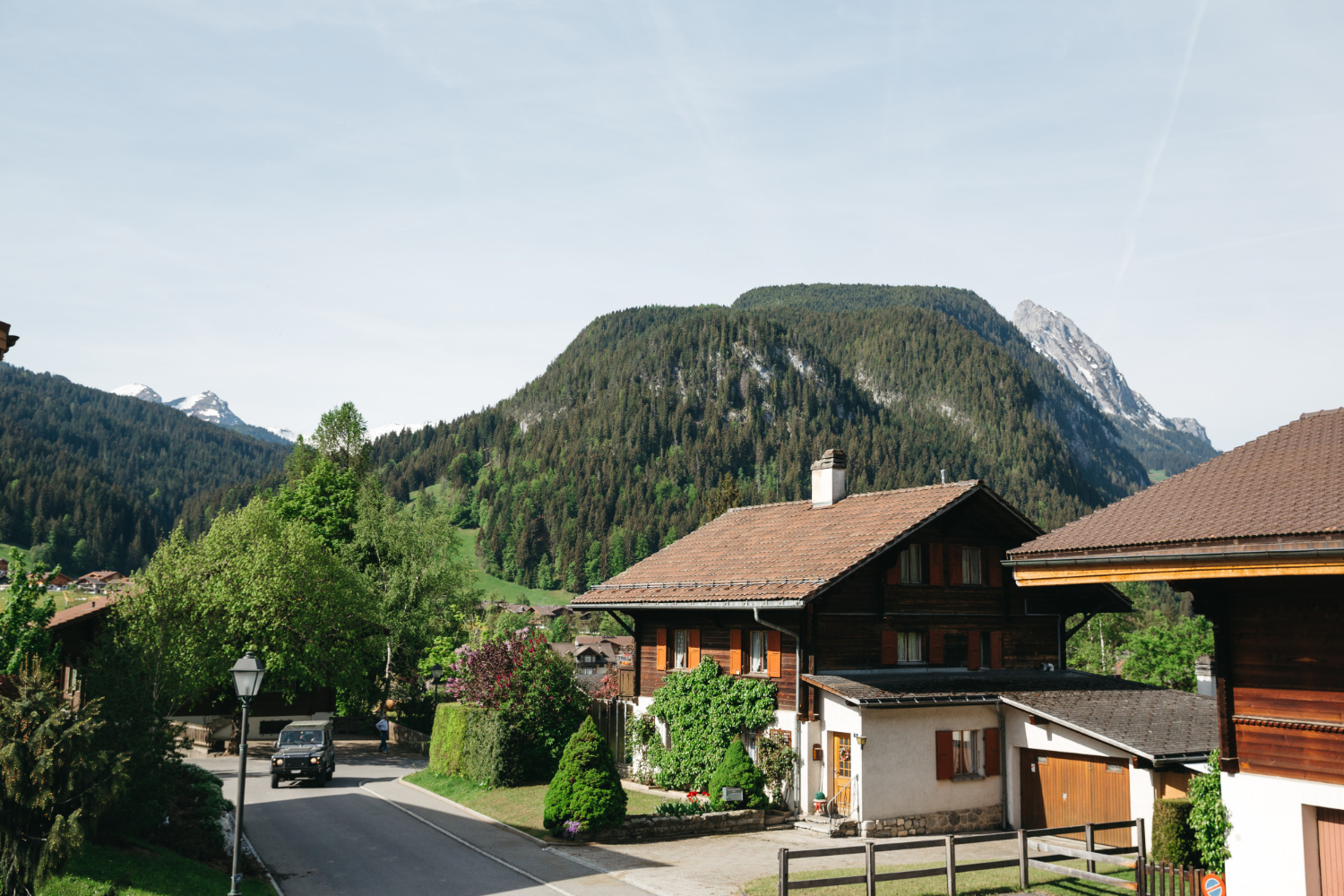

Montana’s Flathead Valley has quietly become one of the most compelling real estate markets in the American Northwest. With Glacier National Park drawing millions of visitors, Whitefish Mountain Resort fueling year-round tourism, and remote workers relocating in search of a better lifestyle, Kalispell and its surrounding communities are attracting a new wave of real estate investors.
If you’re thinking about buying an investment property — whether you’re a first-timer or adding to an existing portfolio — this guide will walk you through everything you need to know: how to evaluate a property, what the numbers actually mean, what Montana’s landlord laws require, and how to set yourself up for long-term success.
What Is an Investment Property?
An investment property is any real estate you purchase with the primary goal of generating income or building long-term wealth- not as your primary residence. This includes single-family rentals, small multi-unit properties (duplexes, triplexes), vacation and short-term rentals, and commercial real estate.
In the Kalispell area, most residential investors focus on one of two models:
- Long-term residential rentals- renting to local families, workers, and retirees on 12-month leases
- Short-term vacation rentals- renting to tourists and outdoor enthusiasts visiting Glacier NP, Whitefish, or Flathead Lake
Each model has different income potential, management demands, and risk profiles — more on that below.
Why Invest in Kalispell, Montana?
While coastal markets have priced out most first-time investors, Flathead Valley still offers a more accessible entry point with genuine upside:
- Population growth- Kalispell’s population has grown significantly as remote workers and retirees relocate from higher-cost states
- Rental demand- low vacancy rates across Kalispell, Columbia Falls, and Whitefish mean landlords rarely struggle to find tenants
- No state sales tax in Montana- favorable for investors and tenants alike
- Tourism- Glacier National Park welcomed over 3 million visitors in recent years, sustaining strong short-term rental demand
- Appreciation- Flathead Valley property values have risen steadily, rewarding long-term buy-and-hold investors
Pro tip: Use RPM Kalispell’s free Wealth Optimizer tool to model projected cash flow, appreciation, and ROI for any property you’re evaluating before you make an offer.

Long-Term Rental vs. Vacation Rental: Which Is Right for You?
One of the first decisions you’ll make as an investor in this market is whether to pursue a long-term residential rental or a short-term vacation rental. Here’s how they compare:
Long-Term Residential Rentals
Long-term rentals offer predictable, stable income. You lease to a tenant — typically for 12 months at a time — and collect consistent monthly rent. Vacancy periods are shorter, maintenance surprises are fewer, and the management load is significantly lower. In Kalispell and Columbia Falls, demand from working families, healthcare workers, and service industry employees keeps long-term rental vacancy rates low year-round.
Short-Term Vacation Rentals
Properties near Whitefish, Flathead Lake, or Glacier National Park can command premium nightly rates – sometimes several times what a long-term tenant would pay monthly. The trade-off is higher management intensity, seasonal income fluctuation, and local regulations that vary by jurisdiction. Before purchasing a property with the intention of running a short-term rental, check local zoning ordinances and any HOA restrictions. RPM Kalispell manages both residential and vacation rentals.
Factors to Consider When Buying an Income Property
Buying a rental property is one of the biggest financial decisions you’ll make, and the difference between a great investment and a frustrating one often comes down to what you evaluate before you sign. Here are the key factors every investor should think through:
Does the Rent Actually Cover Your Costs?
This sounds obvious, but many first-time investors skip the math. Add up your mortgage payment, property taxes, insurance, maintenance reserves, and management fees — then compare that total to realistic market rent. If the numbers don’t work on paper, they won’t work in real life. Build in a vacancy buffer too — most properties sit empty for some portion of the year.
What Kind of Tenant Will This Property Attract?
The property itself tells you a lot about who will want to rent it. A three-bedroom home near good schools draws families who tend to stay for years. A studio near a university fills with students who may turn over every summer. Neither is inherently good or bad — but understanding your likely tenant profile helps you plan for vacancy patterns, wear and tear, and the type of management your property will need.
What Are You Actually Buying?
A low purchase price can be a great deal, or a sign that significant problems are hiding beneath the surface. Before committing to any property, get a professional inspection and understand what you’re inheriting: the age of the roof, HVAC system, plumbing, and electrical all affect how much you’ll spend in the first few years of ownership. The cheapest property to buy is not always the cheapest to own.
Is the Area Stable, Improving, or Declining?
You’re not just buying a property — you’re buying into a location for the long haul. Look at the direction of the neighborhood, not just where it stands today. Is there new development coming? Are businesses opening or closing nearby? Are rents trending up or flat? A property in a neighborhood on the way up will perform very differently from one in an area quietly losing residents and employers.
Are You Financially Ready for the Unexpected?
Even the best-managed rental will have a bad month — or a bad year. A tenant stops paying rent. A water heater fails in January. A unit sits vacant for two months between leases. Before you invest, make sure you have enough liquidity to absorb these situations without putting your personal finances at risk. Most financial advisors recommend keeping three to six months of expenses in reserve for each rental property you own.
What Is Your Goal- and How Long Are You Willing to Wait?
Different investors buy rental property for different reasons: some want immediate monthly cash flow, others are playing a long game on appreciation, and many want both. Knowing your goal upfront shapes which properties make sense and which don’t. A property that barely cash flows today might be an excellent wealth-building asset over fifteen years — but only if that aligns with your actual plan.
How Much of Your Time Is This Going to Take?
Rental property is often described as passive income, but self-managing a property is far from passive. Maintenance calls, tenant disputes, lease renewals, and inspections all take real time. Be honest with yourself about how much you’re willing to take on. If the answer is ‘not much,’ professional property management isn’t just a nice-to-have — it’s what makes the investment actually work for your lifestyle.
5 Steps to Buying Your First Investment Property in Montana
Step 1: Get Pre-Approved for an Investment Property Mortgage
Investment property loans work differently from primary residence mortgages. Lenders typically require 20–25% down, charge a slightly higher interest rate, and scrutinize your debt-to-income ratio more carefully. Get pre-approved before you start touring properties so you know exactly what you can afford.
Step 2: Run a Rent Analysis
Before making an offer, find out what comparable properties rent for in the same neighborhood. Overestimating rents is one of the most common mistakes first-time investors make. RPM Kalispell offers free rental property evaluations that include current market rent data — this takes the guesswork out of your projections.
Step 3: Calculate All Your Costs
Your mortgage payment is only part of the picture.
Factor in: property taxes, landlord insurance, routine maintenance (budget 1–2% of property value annually), property management fees (typically 8–12% of monthly rent), vacancy reserve, and capital expenditure reserves for big-ticket items like roof replacement or HVAC.
Step 4: Screen Tenants Thoroughly
A great property with a bad tenant is a nightmare. Montana landlord-tenant law gives landlords reasonable screening rights — run credit checks, criminal background checks, and verify income and rental history for every applicant. Never skip this step to fill a vacancy faster.
Montana is considered a landlord-friendly state compared to California or New York, but following proper procedures still matters — especially when it comes to security deposits, notice periods, and the eviction process.
Step 5: Partner with a Local Property Manager from Day One
Self-managing a rental property sounds like a way to save money — until you get a 2 a.m. maintenance call, face a difficult eviction, or realize you’ve missed a required lease disclosure. A professional property manager pays for itself in time saved, legal compliance, and better tenant placement.
The Benefits of Owning Rental Property
Passive Income
A well-managed rental generates monthly income that requires minimal ongoing effort on your part. Over time, as the mortgage balance decreases and rents rise, cash flow typically improves.
Property Appreciation
Flathead Valley property values have appreciated meaningfully over the past decade. While past performance doesn’t guarantee future returns, well-located properties in growing markets tend to increase in value over time- building equity alongside rental income.
Tax Advantages
Rental property owners benefit from significant tax advantages, including depreciation (a non-cash deduction that reduces taxable income), deductible operating expenses, 100% bonus depreciation on qualifying property under the 2025 tax law, and the ability to defer capital gains taxes through a 1031 exchange when you sell.
Inflation Hedge
Rental income can be adjusted over time, which helps offset inflation. Fixed-rate mortgage payments don’t increase — meaning your net income tends to grow in inflationary environments.
Portfolio Diversification
Real estate performs differently from stocks and bonds, making rental property a valuable diversification tool for building long-term wealth.
Common Mistakes First-Time Investors Make
- Underestimating operating costs- especially maintenance, vacancy reserves, and management fees
- Buying in a desirable area without checking actual rental comps- lifestyle appeal doesn’t always translate to strong cash flow
- Skipping professional tenant screening to fill vacancies faster
- Self-managing from out of state- especially risky in a market like Kalispell with harsh winters
- Not understanding Montana landlord-tenant law before signing a lease
Ready to Invest? Start with a Free Property Evaluation
Buying an investment property in Kalispell, Montana is one of the smartest moves you can make if you approach it with the right information and the right team behind you. The Flathead Valley offers a rare combination: natural beauty that sustains both long-term rental demand and vacation rental income, a growing population, and an entry point that still makes financial sense.
Real Property Management Explore helps investors evaluate properties, run accurate rent analyses, and manage their rentals professionally — from tenant screening through lease renewals and everything in between. Request your free rental property evaluation today and find out exactly what your investment property could earn.